Revolutionizing Industries: How AI Enhances Our Daily Lives
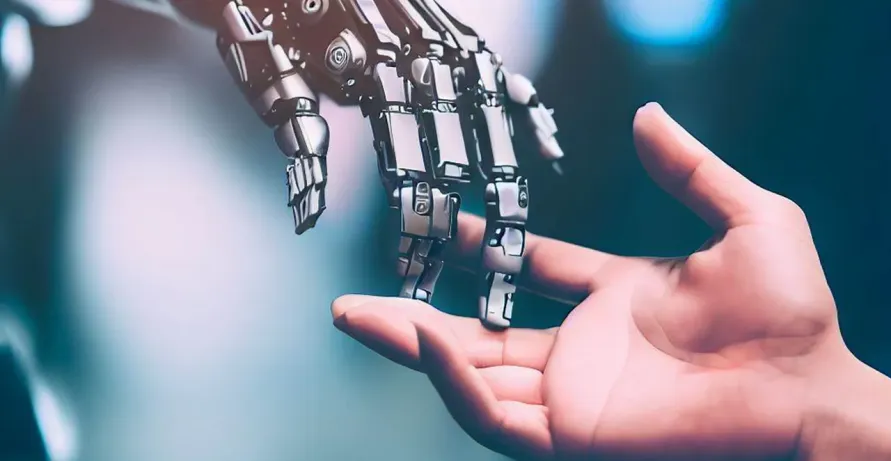
Artificial Intelligence (AI) is no longer a futuristic concept. It is part of our daily lives. From the way we travel to how we receive healthcare, manage money, shop online, and protect digital systems, AI is transforming industries at scale.
Powered by machine learning, deep learning, data analytics, and automation, AI systems analyze large volumes of data, identify patterns, and make intelligent decisions faster than humans.
Let’s explore how AI is revolutionizing key industries and improving everyday life.
AI in Transportation: Smarter and Safer Mobility
AI is reshaping transportation through automation, predictive analytics, and real-time decision-making.
Autonomous Vehicles
Self-driving vehicles use computer vision, sensors, and machine learning algorithms to:
- Detect obstacles
- Recognize traffic signs
- Make real-time driving decisions
- Improve road safety
Autonomous technology is being tested in ride-sharing, freight logistics, and delivery services.
Smart Public Transport
AI improves public transportation by:
- Optimizing route planning
- Predicting passenger demand
- Enhancing scheduling efficiency
- Monitoring safety through video analytics
Airlines also use AI for chatbots, baggage handling automation, and predictive maintenance.
AI in Healthcare: Early Detection and Personalized Medicine
Healthcare is one of the most impactful areas for AI innovation.
Disease Detection and Diagnosis
AI helps doctors detect diseases earlier using:
- Medical imaging analysis
- Predictive analytics
- Pattern recognition in health data
This improves diagnostic accuracy and speeds up treatment decisions.
Robotic Surgery and Smart Devices
AI-powered robotics assist surgeons with precision procedures.
Wearable devices track heart rate, sleep, glucose levels, and alert doctors about early warning signs.
Personalized Treatment
AI analyzes patient history, genetics, and lifestyle data to create customized treatment plans.
The result: better patient outcomes and reduced medical errors.
AI in Manufacturing: Automation and Efficiency
Manufacturing is becoming smarter through industrial AI systems.
Smart Robotics
AI-driven robots handle:
- Repetitive tasks
- Hazardous operations
- Precision assembly
This increases safety and production speed.
Predictive Maintenance
AI monitors machinery using sensors and detects potential failures before breakdowns occur.
This reduces downtime and repair costs.
Supply Chain Optimization
AI forecasts demand, manages inventory, and improves logistics planning.
Factories are now safer, faster, and more cost-efficient.
AI in Agriculture: Smart Farming Solutions
AI is solving global food production challenges.
Precision Farming
AI systems analyze:
- Soil data
- Weather patterns
- Crop health
This helps farmers optimize irrigation, fertilization, and pesticide use.
Autonomous Equipment
GPS-enabled tractors and drones automate planting, harvesting, and crop monitoring.
Livestock Monitoring
Computer vision and AI sensors track animal health and behavior.
AI improves sustainability, reduces waste, and increases food production efficiency.
AI in Cybersecurity: Smarter Digital Protection
Cyber threats are evolving rapidly. AI is critical in modern cybersecurity.
Threat Detection
AI detects:
- Malware
- Phishing attempts
- Network anomalies
- Suspicious login behavior
It responds faster than traditional systems.
Behavioral Authentication
AI uses biometric verification and behavior tracking to enhance identity protection.
Continuous Monitoring
Machine learning systems adapt to new threats and improve detection accuracy over time.
AI strengthens digital security across industries.
AI in Business Operations: Automation and Growth
Businesses use AI to improve productivity and customer experience.
Process Automation
AI automates:
- Invoice processing
- Customer service chatbots
- HR workflows
- Inventory tracking
Predictive Analytics
AI forecasts:
- Sales trends
- Customer behavior
- Market demand
Personalization
Recommendation engines suggest products based on user behavior, improving engagement and revenue.
AI reduces operational costs while increasing efficiency.
The Future of AI in Industry
AI adoption will continue expanding into:
- Smart cities
- Autonomous logistics networks
- AI-driven SaaS platforms
- Intelligent web applications
- Real-time personalization engines
However, responsible AI development is critical.
Key challenges include:
- Data bias
- Transparency
- Ethical decision-making
- Workforce transformation
With proper governance, AI can drive sustainable innovation.
How Anchor Points Can Help
At Anchor Points, we help organizations integrate AI into modern web development and digital transformation strategies.
Our AI-driven services include:
- AI-powered web applications
- Intelligent automation solutions
- Custom software development
- Predictive analytics integration
- AI-enhanced customer experience platforms
- Cloud-native AI architecture
We align artificial intelligence with real business goals — not just trends.
If you're exploring AI integration into your digital ecosystem, our team can design scalable, secure, and future-ready solutions.
Final Takeaways
AI is transforming transportation, healthcare, manufacturing, agriculture, cybersecurity, and business operations.
It improves efficiency.
It enhances decision-making.
It personalizes experiences.
It reduces costs.
The real opportunity lies in combining AI with strategic digital planning.
Organizations that adopt AI responsibly will gain long-term competitive advantage.
FAQs
1. How does AI improve daily life?
AI improves daily life through smarter transportation, better healthcare diagnostics, personalized shopping experiences, and stronger cybersecurity.
2. Which industries benefit most from AI?
Healthcare, finance, manufacturing, transportation, agriculture, and cybersecurity benefit significantly from AI technologies.
3. Will AI replace human jobs?
AI automates repetitive tasks but also creates new roles in AI development, data science, cybersecurity, and digital strategy.
4. How can businesses implement AI safely?
Businesses should focus on data governance, ethical AI practices, cybersecurity, and gradual integration through pilot programs.
5. How can Anchor Points support AI adoption?
Anchor Points helps businesses design, develop, and integrate AI-powered web and software solutions tailored to operational needs and scalability goals.