10 Checkout Optimization Hacks That Boost Conversions
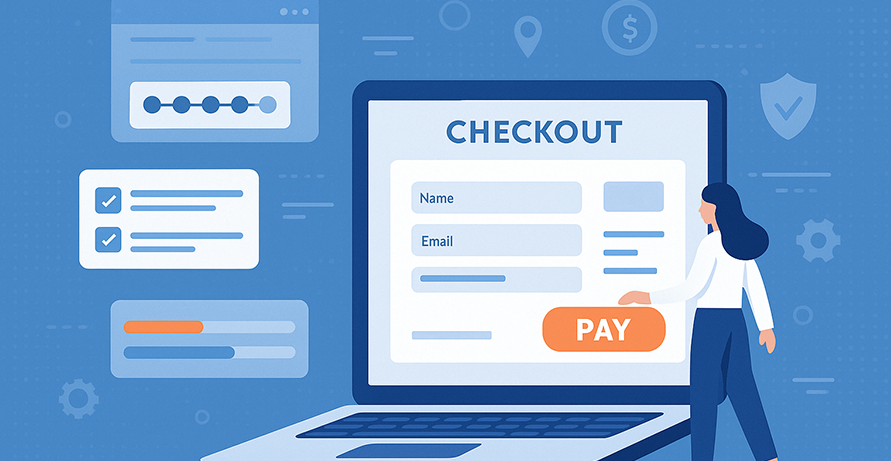
Checkout optimization is one of the fastest ways to increase checkout conversion without increasing advertising spend. Many ecommerce brands focus heavily on traffic acquisition but lose revenue at the final step of the buying journey.
The problem is not traffic.
The problem is checkout experience.
Slow pages, hidden shipping costs, limited payment options, and complex checkout flow reduce conversion rate and customer satisfaction.
This guide explains ten practical strategies to optimize ecommerce checkout performance and reduce abandonment.
Why Checkout Optimization Matters
Cart abandonment in the United States averages nearly 70 percent. That means most customers who show purchase intent leave before completing their order.
Common causes include:
- Unexpected shipping costs
- Forced account creation
- Poor mobile experience
- Lack of trust signals
- Slow page speed
- Complicated form fields
Many brands unknowingly repeat the same structural errors outlined in our analysis of checkout UX mistakes that reduce ecommerce sales, which explains why small friction points create major revenue loss.
Improving checkout flow directly increases revenue because it targets high-intent users.
1. Enable Guest Checkout
Forcing customers to create an account increases friction.
Guest checkout reduces hesitation and shortens completion time. You can offer account creation after purchase when trust is established.
This single improvement often increases checkout conversion immediately.
2. Reduce Form Fields
Long checkout forms lower completion rates.
Collect only essential information:
- Name
- Shipping address
- Payment details
Use autofill, address validation, and real time error handling to improve user experience.
Layout structure plays a major role in conversion. Many high-performing brands apply proven CRO web design layout patterns that consistently lift conversions, especially in form design and call-to-action placement.
3. Expand Payment Options
Limited payment methods create unnecessary barriers.
Modern ecommerce checkout should include:
- Major credit cards
- Digital wallets
- Buy now pay later services
- Mobile payment integrations
If you are evaluating gateway structure, our detailed guide on choosing the right ecommerce payment gateways explains how payment infrastructure impacts both security and conversion rate.
The easier it is to pay, the higher your checkout conversion.
4. Optimize Checkout Page Speed
Speed is critical.
Even a one second delay can significantly reduce conversion rate. Performance issues often stem from heavy scripts, poor hosting, uncompressed images, or lack of caching.
Mobile users are especially sensitive to delay. Businesses that focus on mobile commerce performance and speed optimization consistently see higher sales completion rates.
Faster checkout equals higher customer satisfaction.
5. Use a Clear Checkout Flow
Users should understand exactly where they are in the process.
Best practice structure:
Shipping → Payment → Review → Confirmation
Avoid unnecessary redirects. Keep the experience linear and intuitive.
Clear checkout flow improves confidence and reduces abandonment.
6. Show Shipping Costs Early
Hidden fees destroy trust.
Display:
- Shipping costs
- Estimated delivery dates
- Tax totals
- Return policies
Transparency builds credibility and supports better decision making.
7. Add Progress Indicators
Progress bars reduce uncertainty.
When users see how many steps remain, they are more likely to complete the purchase.
This small design improvement significantly enhances checkout experience.
8. Strengthen Security Signals
Security concerns often prevent purchase completion.
Add:
- SSL encryption
- Recognized payment logos
- Trust badges
- Clear privacy policy
Security transparency increases trust. Businesses that implement strong protection measures outlined in website security best practices for ecommerce platforms reduce friction at the payment stage.
Trust directly impacts conversion rate.
9. Enable Inline Cart Editing
Customers should not leave checkout to modify their cart.
Allow:
- Quantity adjustments
- Item removal
- Coupon application
- Order summary updates
Inline editing keeps users focused and reduces drop off.
10. Implement Abandoned Cart Recovery
Not all abandonment is permanent.
Effective recovery includes:
- Email reminders
- SMS follow up
- Exit intent popups
- Retargeting campaigns
When combined with optimized checkout flow, recovery systems significantly increase checkout conversion.
Advanced Strategies to Increase Checkout Conversion
To compete with large ecommerce brands, implement:
A/B Testing
Test layout variations, button placement, and payment positioning.
Real Time Validation
Show input errors instantly to reduce frustration.
Mobile First Design
Large tap targets and minimal typing improve mobile checkout experience.
Personalization
Pre filled data for returning users increases speed and customer satisfaction.
How Anchor Points Helps Ecommerce Brands
Anchor Points provides:
- Checkout UX audits
- Performance optimization
- Secure payment integration
- Custom ecommerce architecture
If you are planning a full ecommerce strategy upgrade, explore our e-commerce development and optimization solutions to improve performance, security, and scalability.
Final Takeaways
Checkout optimization delivers one of the highest ROI improvements in ecommerce.
By improving checkout experience, simplifying flow, and strengthening trust, businesses can:
- Increase checkout conversion
- Reduce abandonment
- Improve customer satisfaction
- Grow revenue without increasing ad spend
Small friction reductions create measurable revenue impact.