
Checkout UX Mistakes Killing US Ecommerce Sales
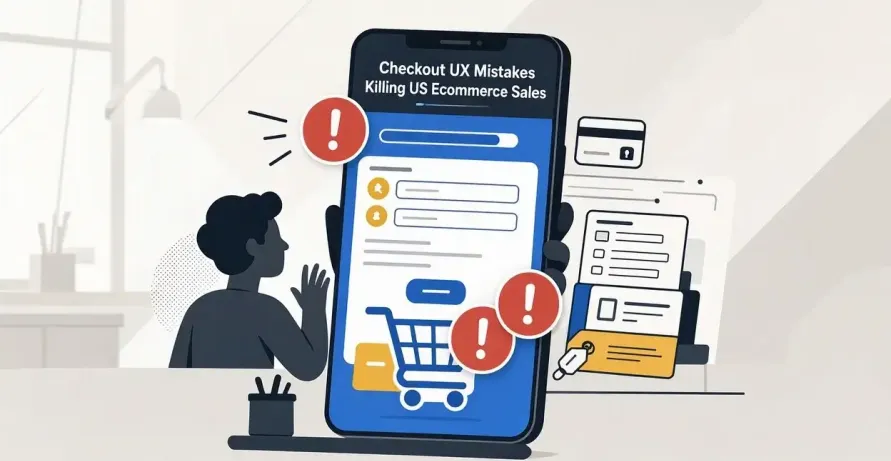
Checkout experience is one of the most critical yet underestimated drivers of ecommerce revenue in the US market. Even small UX missteps during checkout can silently drain conversions, inflate cart abandonment, and erode customer trust. This blog breaks down the most damaging checkout UX mistakes, backed by current research, real-world examples, and expert insights from Anchor Points. It also outlines how modern engineering, UX strategy, and performance optimization can reverse these losses at scale.
Introduction: Why Checkout UX Is a Revenue Problem, Not a Design Problem
For US ecommerce brands, traffic is expensive and competition is unforgiving. Yet many companies still lose 60 to 70 percent of ready-to-buy users at the checkout stage. This is not a marketing failure. It is almost always a checkout UX failure.
Checkout UX is where engineering, security, performance, and user psychology collide. A slow page load, a confusing form field, or an unexpected cost can undo months of acquisition work in seconds. At Anchor Points, we consistently see that improving checkout UX delivers one of the fastest ROI gains across ecommerce platforms.
This article examines the checkout UX mistakes most commonly killing US ecommerce sales, explains why they happen, and shows how modern, scalable solutions can fix them.
1. Forced Account Creation and Over-Complicated User Flows

What the Research Says
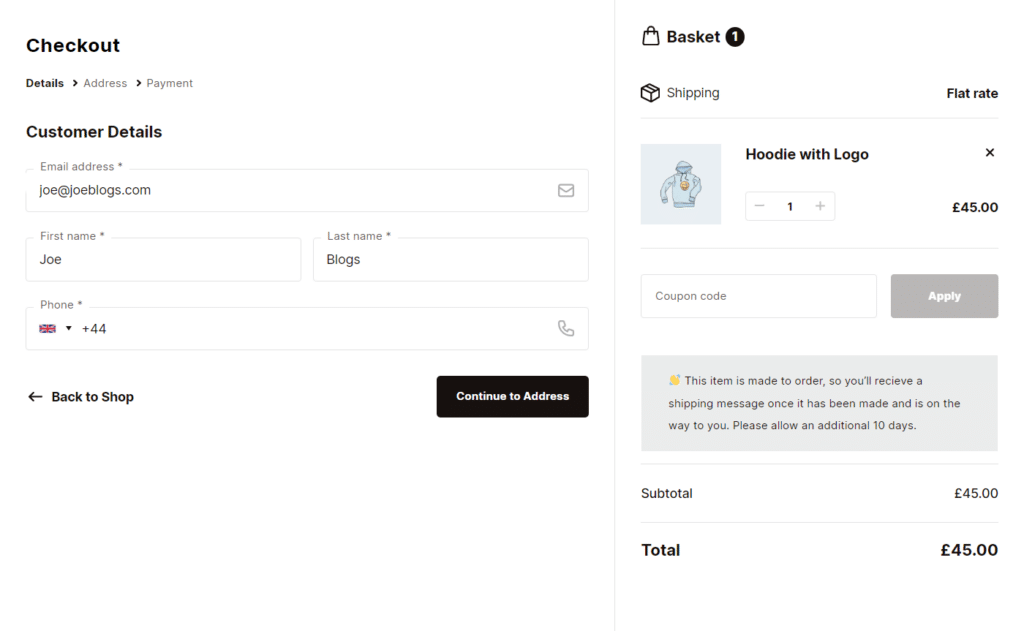
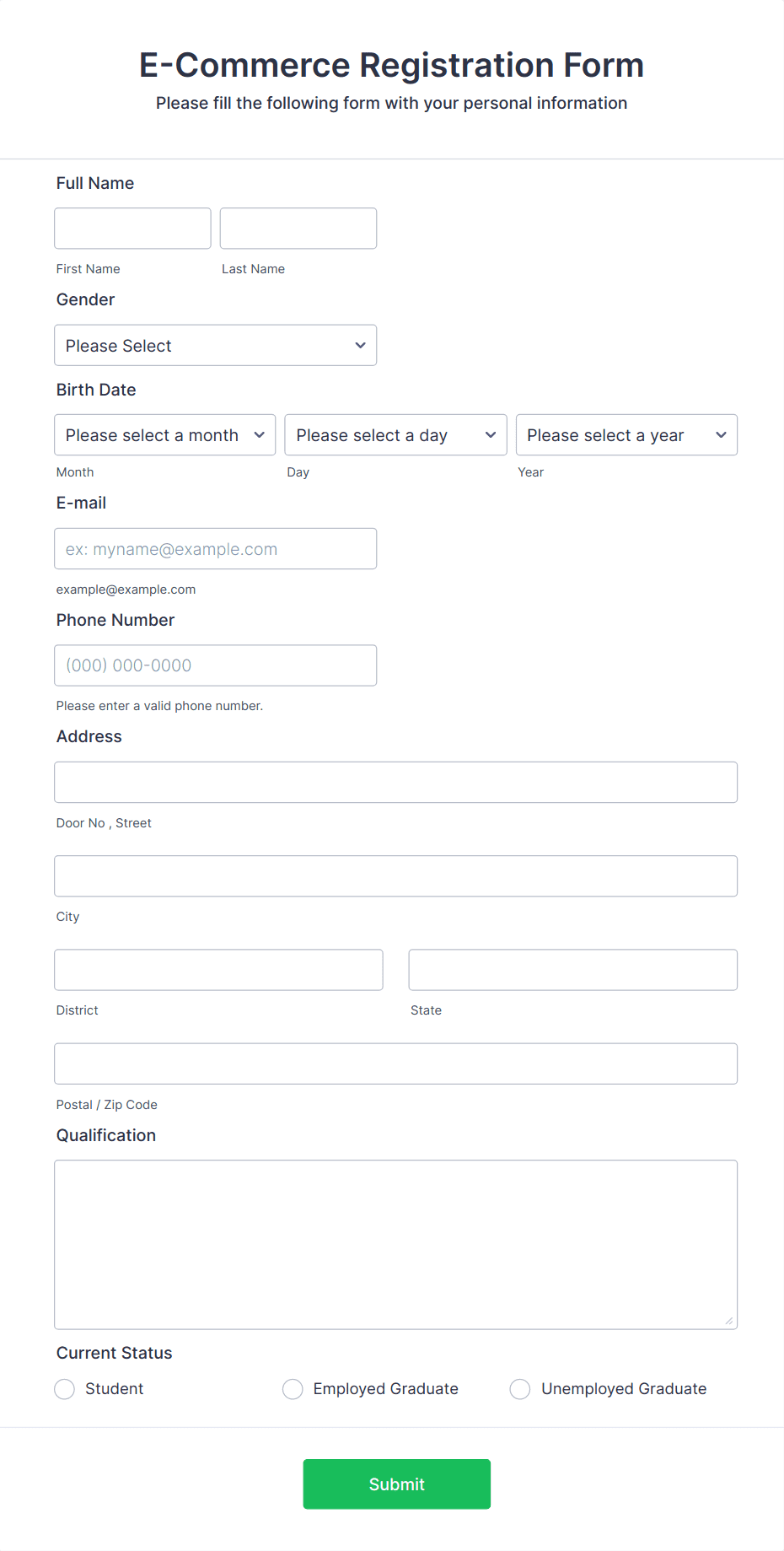
One of the most cited causes of cart abandonment in the US is forced account creation. According to the Baymard Institute, nearly 24 percent of US shoppers abandon checkout when asked to create an account. Shoppers perceive this as time-consuming, intrusive, and unnecessary, especially on mobile.
Current best practices emphasize guest checkout, progressive profiling, and post-purchase account creation. Leading US retailers allow users to complete purchases with minimal friction and offer account creation as an optional value-add afterward.
A well-known example is ASOS, which saw measurable conversion improvements after simplifying its checkout and promoting guest checkout more prominently.
Why This Matters: Anchor Points’ Expert View
In our experience, forced account creation is often a business-driven decision that ignores real user behavior. When checkout flows are designed around internal data needs rather than customer intent, revenue inevitably suffers.
How Anchor Points Addresses This
Anchor Points helps ecommerce teams redesign checkout flows using UX research, behavior analytics, and backend integration. Through custom web application development and API-driven identity systems, we enable guest checkout while still capturing critical data securely after conversion.
2. Hidden Costs, Surprise Fees, and Poor Pricing Transparency


What the Research Says
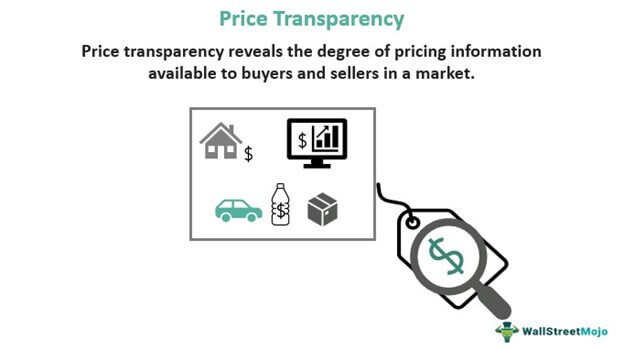
Hidden costs remain the number one reason for cart abandonment in the US. Baymard Institute reports that 48 percent of shoppers abandon carts due to unexpected extra costs such as shipping, taxes, or service fees.
Modern ecommerce leaders now surface full pricing early in the journey. Best practices include real-time shipping calculators, upfront tax estimates, and persistent order summaries throughout checkout.
A public example is Amazon, which minimizes surprises by clearly showing delivery fees and timelines well before final confirmation.
Why This Matters: Anchor Points’ Expert View
Unexpected costs do more than kill a single transaction. They permanently damage trust. In regulated and competitive US markets, transparency is no longer optional.
How Anchor Points Addresses This
Anchor Points builds checkout systems that integrate real-time pricing engines, tax APIs, and logistics services. Our ecommerce and SaaS engineering teams ensure that pricing logic is accurate, fast, and visible at every step without degrading performance.
3. Poor Mobile Checkout Experience

What the Research Says
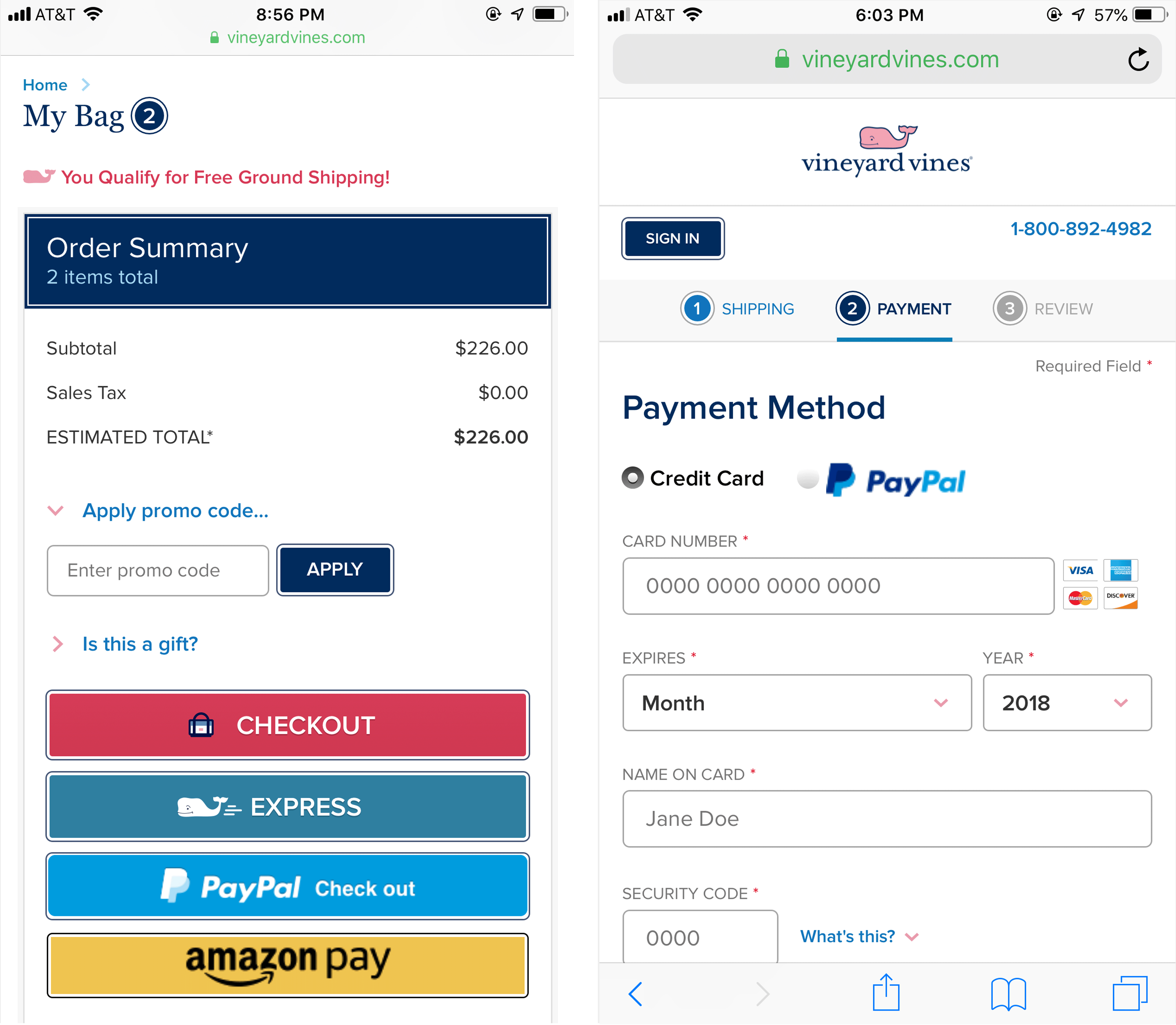
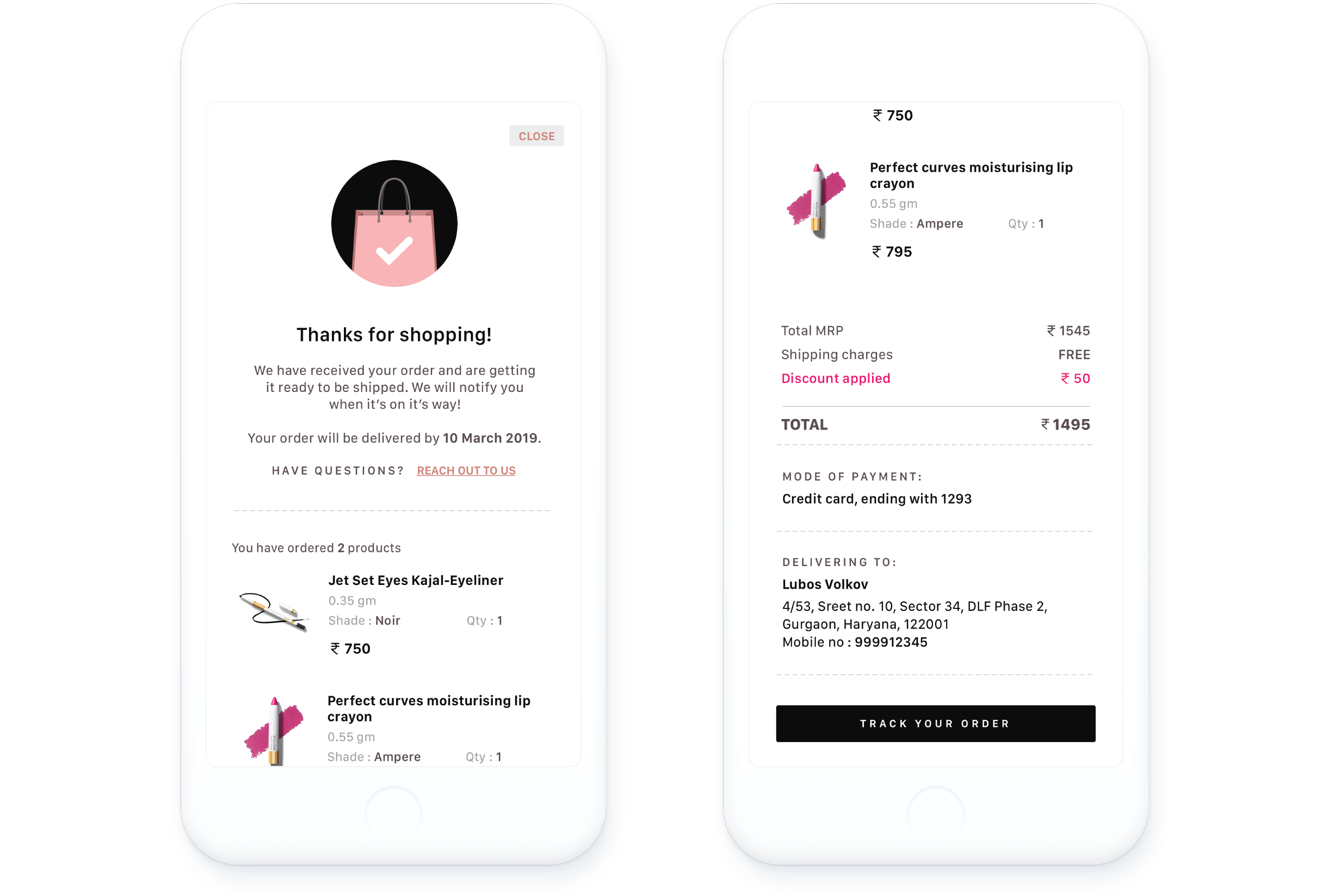
Over 60 percent of US ecommerce traffic now comes from mobile devices, yet mobile checkout conversion rates still lag far behind desktop. According to Statista, mobile cart abandonment rates are consistently above 80 percent.
Common issues include small tap targets, excessive form fields, slow load times, and lack of mobile payment options such as Apple Pay or Google Pay. Best-in-class mobile checkouts are optimized for thumb navigation, autofill, and biometric payments.
Walmart publicly reported improved mobile conversions after simplifying mobile checkout forms and optimizing performance.
Why This Matters: Anchor Points’ Expert View
Mobile checkout failures are rarely about design alone. They are usually the result of performance bottlenecks, legacy frontend frameworks, or backend latency that mobile users feel more acutely.
How Anchor Points Addresses This
Anchor Points delivers mobile-first checkout solutions using modern frameworks, headless commerce architectures, and performance optimization. Our teams focus on Core Web Vitals, API efficiency, and responsive UX to ensure mobile users convert as easily as desktop users.
4. Performance, Security Anxiety, and Trust Signals


What the Research Says
US shoppers are highly sensitive to security and performance during checkout. Google research shows that a one-second delay in page load can reduce conversions by up to 20 percent. Additionally, lack of visible security indicators leads to checkout abandonment due to fear of fraud.
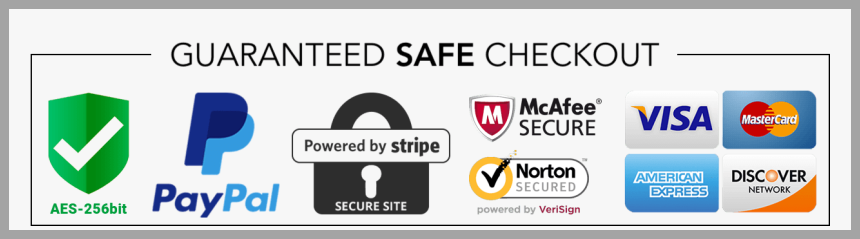
Best practices include fast-loading pages, SSL certificates, recognizable payment providers, and subtle but clear trust signals such as security badges and privacy assurances.
Shopify Plus merchants that optimized checkout speed and security signals reported higher conversion rates during peak traffic periods.
Why This Matters: Anchor Points’ Expert View
Trust is built in milliseconds. Performance and security are not backend concerns. They are user experience fundamentals that directly impact revenue.
How Anchor Points Addresses This
Anchor Points specializes in performance engineering, DevOps, and cybersecurity. From CDN optimization and caching strategies to secure payment integrations and compliance-ready architectures, we ensure checkout systems are fast, stable, and trustworthy under real-world traffic loads.
5. Limited Payment Options and Rigid Checkout Logic
What the Research Says
US consumers expect choice. According to Worldpay, over 40 percent of shoppers abandon purchases if their preferred payment method is unavailable. Buy Now Pay Later, digital wallets, and localized payment options are now standard expectations.
Best practices include flexible payment orchestration layers that allow easy addition of new providers without reengineering checkout flows.
Brands like Target and Best Buy have expanded payment options to include BNPL and wallet-based payments, improving average order value.
Why This Matters: Anchor Points’ Expert View
Rigid checkout logic locks businesses into yesterday’s payment landscape. Flexibility is now a competitive advantage, not a feature.
How Anchor Points Addresses This
Anchor Points builds modular checkout architectures that support multiple payment gateways, fraud detection services, and regional compliance needs. Our custom software solutions allow ecommerce teams to evolve payment strategies without technical debt.
Final Takeaways for US Ecommerce Leaders
- Simplify checkout flows and eliminate forced account creation wherever possible
- Surface full pricing early and maintain transparency throughout checkout
- Treat mobile checkout performance as a revenue-critical system
- Invest in speed, security, and trust signals that reassure buyers instantly
- Design checkout systems to be flexible, modular, and future-ready
Checkout UX is not a cosmetic improvement. It is one of the highest-leverage investments an ecommerce business can make.
Call to Action
At Anchor Points, we help US ecommerce teams turn checkout friction into conversion momentum through UX strategy, performance engineering, and secure custom development.
If your checkout abandonment rate is costing you growth, now is the time to act.
👉 Book a checkout UX assessment with Anchor Points
👉 Talk to our engineers about optimizing your ecommerce conversion funnel
Frequently Asked Questions (FAQs)
1. What is checkout UX in ecommerce?
Checkout UX refers to the overall user experience during the purchase completion process, including form design, payment flow, performance, and trust signals.
2. Why do US ecommerce shoppers abandon carts at checkout?
The most common reasons are hidden costs, forced account creation, slow performance, poor mobile experience, and lack of preferred payment options.
3. How much does checkout speed impact conversions?
Even a one-second delay can reduce conversions by up to 20 percent, especially on mobile devices.
4. Is guest checkout really necessary?
Yes. Research consistently shows that allowing guest checkout significantly reduces abandonment and increases completed purchases.
5. How can Anchor Points help improve checkout UX?
Anchor Points provides UX audits, performance optimization, secure payment integration, and custom checkout development tailored for scalable US ecommerce operations.