Common Website Security Threats You Should Be Aware of
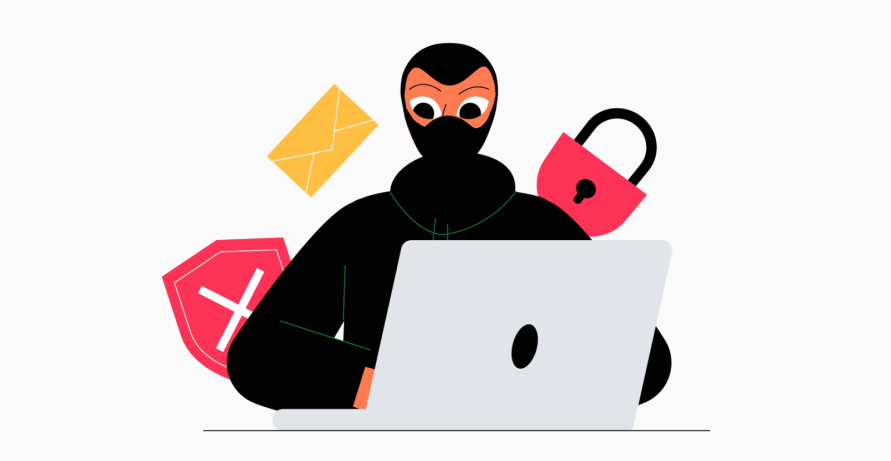
Website security is no longer optional. In today’s digital landscape, cyber attackers actively target websites of all sizes. Small businesses, enterprises, and public organizations are all at risk.
A single successful cyberattack can result in data breaches, financial losses, website downtime, and long-term reputational damage. According to Security Magazine, there are over 2,200 cyberattacks every day. That equals nearly one attack every 39 seconds.
This guide explains the most common website security threats, how they work, and why they matter. Understanding these risks helps website owners strengthen cybersecurity, protect sensitive data, and maintain user trust.
Why Website Security Is Critical Today
Modern websites handle sensitive data such as login credentials, personal details, and payment information. Without strong web security practices, attackers can exploit vulnerabilities easily.
Poor website security can lead to:
- Data loss and privacy violations
- Business disruption and downtime
- Regulatory penalties and lawsuits
- Loss of customer trust
- Long-term SEO and brand damage
Cybersecurity awareness is the first step toward prevention.
1. Data Breaches
What Is a Data Breach
A data breach occurs when confidential information is accessed or exposed without authorization. This includes personal data, financial records, medical information, and internal business data.
Attackers exploit weak website security, outdated software, and poor access controls.
Why Data Breaches Are Dangerous
- Identity theft and financial fraud
- Legal penalties under data protection laws
- Loss of customer confidence
- Long-term reputational harm
Strong access controls, encryption, and regular security audits reduce this risk.
2. Denial of Service (DoS) Attacks
What Is a DoS Attack
A Denial of Service attack overwhelms a website or server with excessive traffic. This prevents real users from accessing the site.
Some attacks also exploit application flaws or server misconfigurations.
Impact of DoS Attacks
- Website outages
- Slow loading pages
- Interrupted services
- Revenue loss
Availability is a core pillar of website security and performance.
3. Ransomware Attacks
How Ransomware Works
Ransomware encrypts files and blocks access to systems. Attackers demand payment to restore data access.
It often spreads through phishing emails, weak passwords, or unpatched software.
Risks of Ransomware
- Loss of critical business data
- Operational shutdown
- Financial damage
- Brand reputation loss
Regular backups and patch management are essential defenses.
4. Cross-Site Scripting (XSS)
What Is Cross-Site Scripting
XSS attacks inject malicious scripts into trusted websites. These scripts run in a user’s browser and steal sensitive data.
Why XSS Is a Serious Threat
- Session hijacking
- Cookie theft
- Account takeover
- Website defacement
Input validation and secure output encoding prevent XSS vulnerabilities.
5. SQL and Code Injection Attacks
What Is SQL Injection
SQL injection allows attackers to manipulate database queries using malicious input. This can expose or destroy sensitive data.
Effects of SQL Injection
- Database breaches
- Unauthorized data access
- Application compromise
- Loss of customer trust
Prepared statements and secure coding practices are critical.
6. Stolen Passwords and Credential Attacks
How Credentials Are Compromised
- Weak or reused passwords
- Brute force attacks
- Default admin credentials
- Phishing scams
Consequences
- Website defacement
- Data deletion
- Malware installation
- Unauthorized admin access
Multi-factor authentication and strong password policies reduce risk.
7. Phishing Attacks
What Is Phishing
Phishing attacks trick users into sharing passwords or financial information. Messages often appear to come from trusted brands.
Business Risks of Phishing
- Account compromise
- Financial theft
- Malware infection
- Network breaches
Employee awareness training is a key defense.
8. Supply Chain Attacks
How Supply Chain Attacks Work
Attackers compromise trusted vendors or software providers. Malicious code is passed to businesses through updates or integrations.
Why Supply Chain Attacks Are Dangerous
- Trusted sources bypass security checks
- Widespread impact
- Difficult detection
Vendor security reviews and monitoring are essential.
9. Malicious Code and Malware Attacks
Common Types of Malware
- Viruses
- Worms
- Trojans
- Spyware
- Ransomware
Damage Caused
- Data loss
- System downtime
- Privacy breaches
- Financial impact
Regular updates and endpoint protection reduce exposure.
10. Security Misconfigurations
What Are Security Misconfigurations
These occur when systems are poorly configured or left outdated.
Common examples include:
- Default passwords
- Unused services enabled
- Missing security updates
- Weak permissions
Routine security reviews help close these gaps.
11. Insecure Direct Object References (IDOR)
What Is IDOR
IDOR vulnerabilities allow attackers to access data by changing object identifiers in URLs or requests.
Risks of IDOR
- Unauthorized data access
- Account compromise
- Privacy violations
Proper authorization checks are required.
12. Viruses and Worms
Difference Between Viruses and Worms
- Viruses require a host file
- Worms spread automatically across systems
Risks
- Network congestion
- System crashes
- Backdoor creation
Patch management and monitoring are essential.
13. Spyware
What Spyware Does
Spyware secretly collects sensitive data such as passwords, browsing behavior, and financial details.
Why Spyware Is Harmful
- Identity theft
- Performance issues
- Increased attack surface
Security software and safe browsing practices reduce risk.
How Anchor Points Can Help Secure Your Website
Anchor Points provides end-to-end website security and cybersecurity solutions for businesses and organizations.
Our services include:
- Website security audits and vulnerability assessments
- Secure web application development
- Cloud and infrastructure security hardening
- Malware detection and removal
- Compliance support for data protection standards
- Ongoing monitoring and incident response
We help businesses identify risks early, fix vulnerabilities, and build secure digital platforms that scale safely.
Conclusion
Website security threats are increasing in scale and complexity. Ransomware, data breaches, phishing, and injection attacks can severely damage businesses.
The key to protection is proactive cybersecurity. Regular updates, secure coding practices, access controls, and monitoring are essential.
By understanding common website security threats and working with experienced security partners, businesses can protect their data, users, and reputation.
FAQs
Q1. What are the most common website security threats?
Common threats include data breaches, ransomware, phishing, SQL injection, XSS, malware, and credential attacks.
Q2. How can I protect my website from cyberattacks?
Use strong passwords, keep software updated, enable multi-factor authentication, and perform regular security audits.
Q3. Why is website security important for SEO?
Security issues can lead to downtime, penalties, and loss of trust, all of which negatively impact search rankings.
Q4. How often should website security audits be performed?
At least once or twice a year, or after major updates or platform changes.
Q5. How does Anchor Points help with website security?
Anchor Points provides audits, remediation, monitoring, and long-term security strategies tailored to business needs.