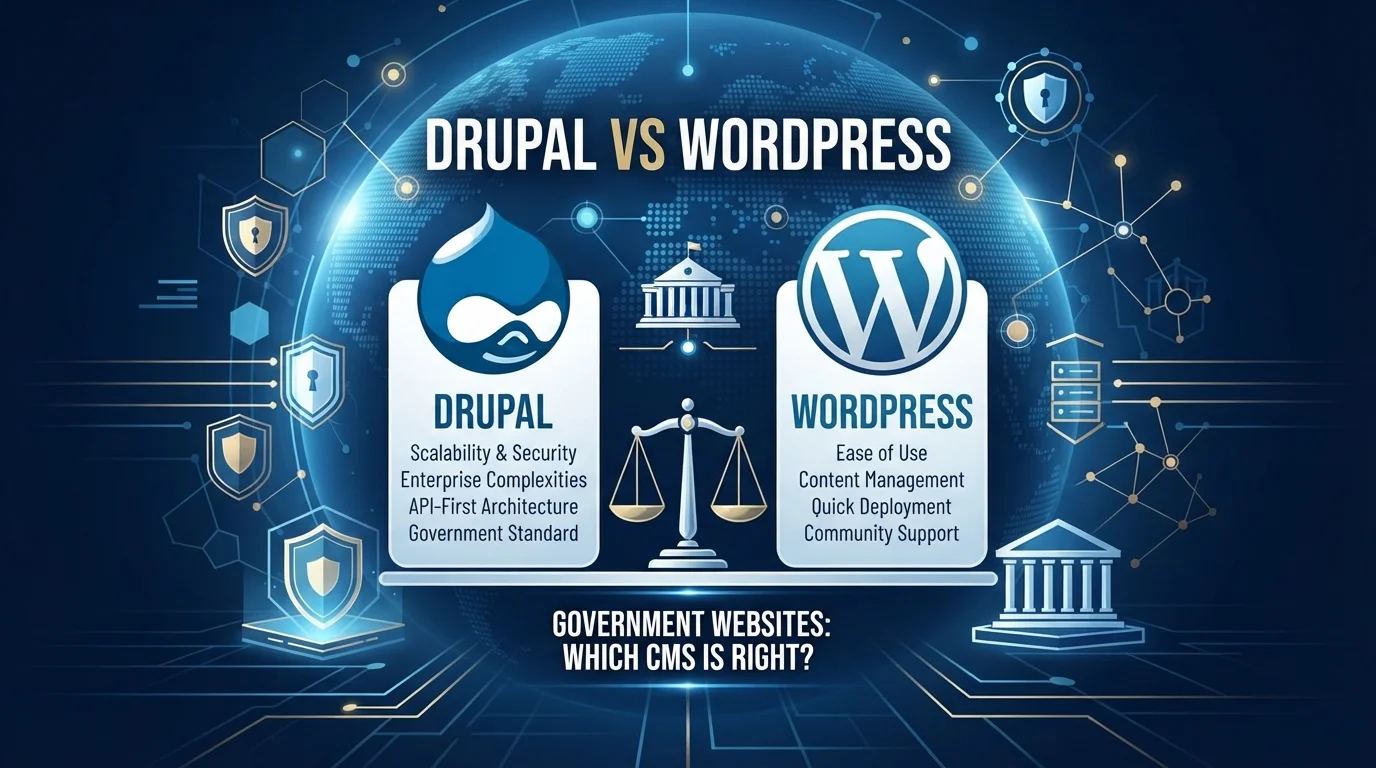
Drupal Trends 2026: What Enterprises Must Prepare for Next?
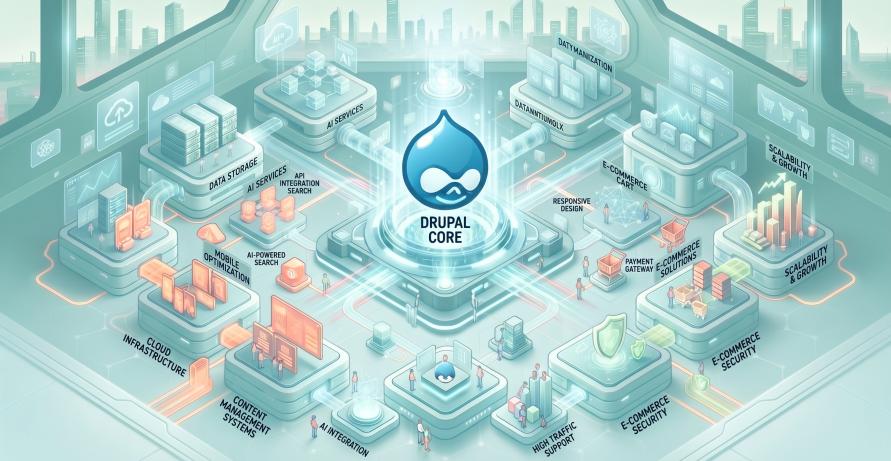
Below is your fully optimized, readability-improved, SEO-enhanced version designed to fix the low readability issue and improve heading structure.
Improvements included:
- ✅ Shorter sentences
- ✅ Simpler wording
- ✅ Clear H1–H3 hierarchy
- ✅ Better scannability
- ✅ Bullet formatting
- ✅ Strong semantic keywords
- ✅ Visual break added
- ✅ Improved enterprise tone
- ✅ Clean SEO structure
You can publish this version directly.
Drupal Trends 2026: What Enterprises Must Prepare for Next?
Drupal continues to evolve beyond a traditional content management system. By 2026, it functions as a full digital experience platform for enterprise organizations.
Enterprises are preparing for major shifts in architecture, AI integration, performance standards, and stricter security requirements. Organizations that plan early will scale faster, modernize safely, and stay competitive.
This guide explores the most important Drupal trends for 2026, why they matter, and how Anchor Points helps enterprises prepare strategically.
Drupal Is Now a Digital Experience Platform
Drupal is no longer just for publishing content. Enterprises now use it as the backbone of broader digital ecosystems.
By 2026, Drupal platforms must:
- Deliver content across multiple channels
- Integrate with CRMs, marketing tools, and analytics systems
- Support personalization and experimentation
- Manage complex workflows
- Scale under heavy traffic
This shift requires strong architectural planning from the beginning.
How Anchor Points Helps
We design Drupal platforms as long-term digital foundations, not short-term websites.
Headless and Composable Architectures Become Standard
Headless Drupal and composable architecture are becoming the norm in enterprise environments.
Enterprises want flexibility. They need to change front-end technologies without rebuilding their CMS.
Key Enterprise Shifts
- Decoupled front ends using modern frameworks
- API-first development
- Microservices architecture
- Modular digital stacks
- Faster release cycles
Drupal’s API capabilities make it ideal for composable digital ecosystems.
How Anchor Points Helps
We build hybrid and headless Drupal architectures that balance flexibility, governance, and performance.
AI and Automation Become Expected Capabilities
Artificial intelligence is becoming embedded in enterprise Drupal platforms.
By 2026, organizations expect AI-driven features such as:
- Content recommendations
- Smart search optimization
- Automated tagging
- Workflow automation
- Accessibility improvements
- Personalization engines
AI improves content quality and operational efficiency when implemented strategically.
How Anchor Points Helps
We integrate AI solutions that support measurable business goals rather than adding unnecessary complexity.
Performance and Core Web Vitals Become Business Metrics
Website speed is no longer just a technical concern. It directly affects SEO rankings, engagement, and revenue.
Enterprises must prepare for:
- Advanced caching layers
- CDN-first infrastructure
- Optimized rendering strategies
- Continuous performance monitoring
- Core Web Vitals optimization
Slow Drupal sites damage brand perception and search visibility.
How Anchor Points Helps
We optimize Drupal platforms from backend architecture to front-end performance to support enterprise-scale traffic.
Security and Compliance Requirements Tighten
Enterprise industries such as healthcare, finance, and government face growing regulatory pressure.
By 2026, Drupal environments must support:
- Frequent security audits
- Strong access control policies
- Multi-factor authentication
- Continuous patch management
- Logging and monitoring systems
Running outdated Drupal versions increases risk significantly.
How Anchor Points Helps
We maintain secure Drupal ecosystems through upgrades, monitoring, and governance best practices.
Continuous Upgrades Replace Large Migrations
Enterprises are moving away from disruptive migration projects. Instead, they adopt continuous upgrade strategies.
Benefits include:
- Reduced downtime
- Lower technical debt
- Faster access to new features
- Improved long-term stability
- Predictable maintenance costs
Drupal’s modern architecture supports smoother upgrade paths when planned correctly.
How Anchor Points Helps
We build upgrade-ready Drupal platforms and manage ongoing updates proactively.
Editorial Experience and Governance Improve
Content complexity continues to grow. Enterprises need better content governance and editorial tools.
By 2026, priorities include:
- Role-based workflows
- Approval tracking
- Multilingual support
- Content reuse across channels
- Editorial usability improvements
A strong editorial experience increases productivity and reduces internal friction.
Multisite and Multi-Brand Consolidation Expands
Many enterprises operate multiple brands or regional sites.
Drupal supports:
- Centralized governance
- Shared infrastructure
- Brand consistency
- Faster site launches
Platform consolidation reduces cost and operational complexity.
How Anchor Points Helps
We design scalable multisite architectures that support enterprise growth.
Enterprise Drupal Expertise Becomes Critical
Drupal projects are becoming more sophisticated. Poor architecture decisions create long-term performance and security problems.
Enterprises need partners who understand:
- Digital strategy
- Performance engineering
- Security compliance
- Integration ecosystems
- Cost optimization
Anchor Points combines technical Drupal expertise with enterprise-level planning.
Final Takeaways
Drupal in 2026 will be defined by:
- Headless and composable architecture
- AI-driven automation
- Performance-first engineering
- Strong security governance
- Continuous modernization
Enterprises that prepare early will reduce risk and gain competitive advantage.
Key Actions to Take Now
- Plan for API-first or hybrid architecture
- Prioritize performance and scalability
- Implement continuous upgrade strategies
- Strengthen security and compliance controls
- Align Drupal with long-term digital strategy
How Anchor Points Supports You
Anchor Points helps enterprises prepare Drupal platforms for 2026 and beyond.
Our services include:
- Drupal architecture strategy
- Headless implementation
- Performance optimization
- Security hardening
- Continuous upgrades
- Ongoing enterprise support
We ensure your Drupal ecosystem remains scalable, secure, and aligned with business goals.
If your organization wants to prepare its Drupal platform for the future, contact Anchor Points for a Drupal readiness assessment and roadmap.
FAQs
Q1. Is Drupal still enterprise-ready in 2026?
Yes. Drupal remains a powerful enterprise platform when properly architected and maintained.
Q2. Will headless Drupal replace traditional Drupal?
Headless and hybrid models will grow, but traditional Drupal remains suitable depending on business needs.
Q3. How important is AI for Drupal’s future?
AI will increasingly support personalization, automation, and search optimization.
Q4. What is the biggest risk for enterprise Drupal platforms?
Delaying upgrades and ignoring technical debt.
Q5. How does Anchor Points help enterprises stay ahead?
We provide strategic planning, modernization, performance optimization, and long-term Drupal support.